
A euro Visa card for Bitcoin and Lightning users inside the EEA
 Available in US
The Bringin card is a Visa payment card built for people in the EEA who want to spend from a Bitcoin balance rather than from a bank account. It converts Bitcoin to euros into a personal vIBAN, and the card spends from that balance like a normal euro card. My score for it is 5.7 out of 10 — a mid-table card, strong on the everyday mechanics of spending, weaker on the things that decide whether it works for your situation: who can open it, what it really costs to move money onto it, and how little is explained about limits and protection.
The conditions described here are current as of October 28, 2026.
Who is this for? You if you are 18 or older, live in the EEA, hold a valid EEA identity document, already hold or accept Bitcoin, and want a straightforward euro Visa that tops up from on-chain Bitcoin or Lightning. It is not for you if you need a stablecoin-first card, a card available outside Europe, or one whose fee schedule is spelled out in full before you sign up.
| Criterion | Mark | Why |
|---|---|---|
| Who can get it | 5 / 10 | 18+ with valid EEA ID: 30 EU countries plus Liechtenstein, Norway, Iceland |
| Cost | 5 / 10 | Plan 37.69 EUR (3.49 EUR/month if paid yearly), “0 fee per usage”; Bitcoin-to-euro conversion 1% plus 0.5% markup; 0% FX |
| Top-up options | 4 / 10 | SEPA or Bitcoin on-chain and Lightning, all converted to euros; no stablecoins |
| Reliability and complaints | 7 / 10 | UAB Bringin, Lithuania; partner Lightspark Europe with a MiCA licence; issuer not named; no complaints found |
| Everyday use | 8 / 10 | Visa physical and virtual, Google Pay and Samsung Pay directly, Apple Pay through Curve; 350 EUR cash per day |
| Total | 5.7 / 10 | A capable euro card for a specific kind of user |
The single number to keep in mind: this card is built for EU residents who pay with Bitcoin and Lightning. If that is not you, the score is lower than the mechanics deserve, because the Bitcoin-only top-up and the euro-only design are not neutral choices.
Will they give you the card?
Bringin issues to anyone 18 or older with a valid identity document from the EEA. That is the 30 EU member states plus Liechtenstein, Norway and Iceland. The card’s public pages do not say whether the test is citizenship or residence, so I cannot tell you which one binds you; it says valid EEA ID, and that is all.
There is also a list of restricted countries where the card cannot be used. It includes Belarus and Russia, and also Ukraine, Türkiye, the UAE, Nigeria, Egypt and others. Note the direction of that rule: it restricts use of the card, which is separate from who can open the account. Opening runs on the EEA ID; spending is restricted by geography.
So, the answer to “will they give me the card” is: probably yes if you are an adult with an EEA ID document, and no if you are relying on a passport or ID from outside that region. Whether a card issued in the EEA looks foreign at a merchant abroad is a separate question I come back to under everyday use.
How to get it
The sign-up runs in four steps. You register, you verify your ID (KYC at sign-up), you fund the euro vIBAN, and you either create a virtual card instantly or order a physical one. Proof of address is not stated as a requirement.
The card is Visa, in euros, and comes in both forms. You get unlimited virtual cards plus one-time virtual cards — the kind you use for a single purchase and then discard. The physical card is delivered to your registered address; the delivery time and any delivery cost are not stated on the card’s pages, so if the physical card is the point for you, expect to ask. The virtual card is available instantly, which is the fast path if you want to be spending today.
One thing to know up front: your limits depend on your KYC verification level, and the card does not publish what those levels are. The levels themselves and the reasons a verification might be rejected are not shown. That matters more than it sounds, because limits decide whether the card is usable for your normal spending — and you would be discovering the ceiling after you have already funded the account.
Fees: what it really costs
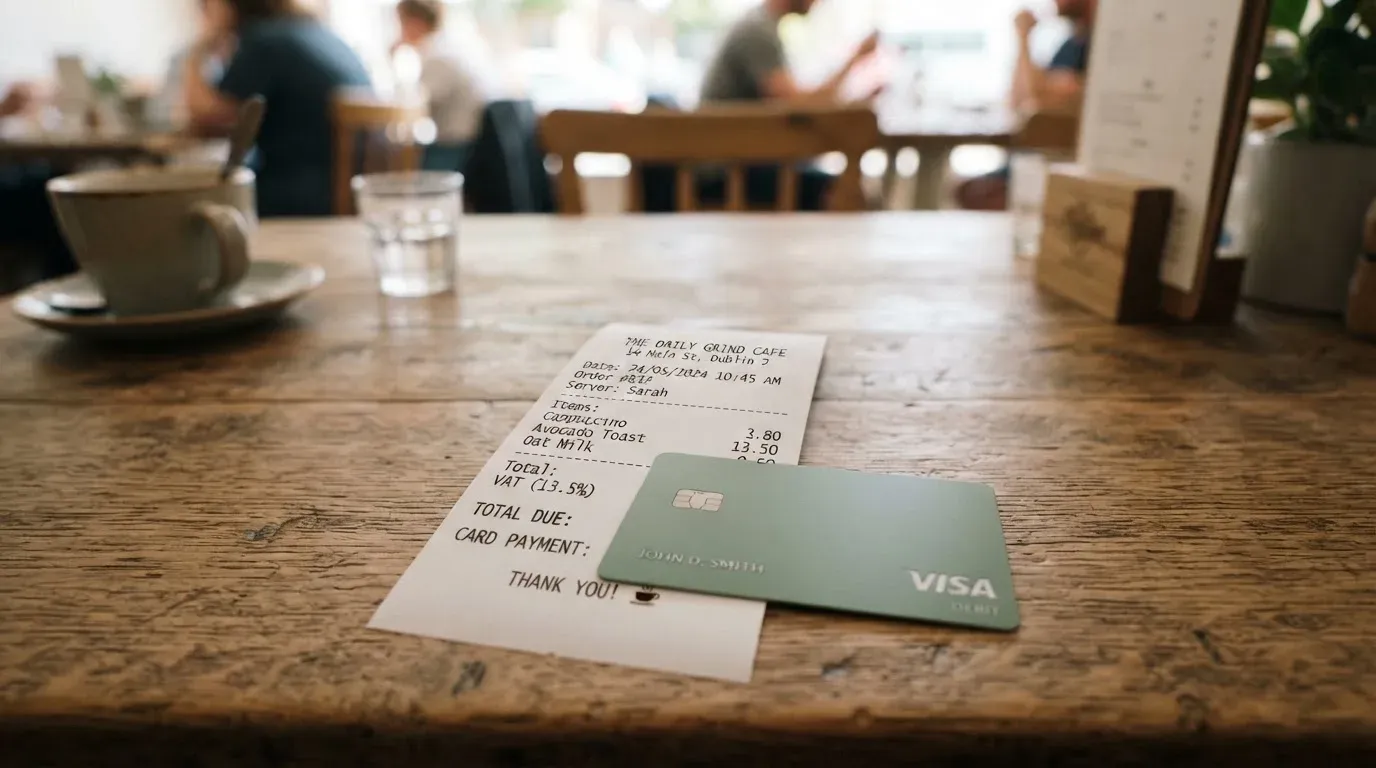
The headline numbers look friendlier than the total. The plan is priced at 37.69 EUR, displayed with a “10% Discount” and described as paid annually at 3.49 EUR per month, with “0 fee per usage”. Physical and virtual cards are free, and there is a single plan — no tiers to choose between. The currency is euro only.
| Fee or limit | Value |
|---|---|
| Plan price | 37.69 EUR (shown with “10% Discount”; paid annually, 3.49 EUR per month) |
| Per-use fee | “0 fee per usage” |
| Physical card | Free |
| Virtual card | Free; unlimited virtual cards, one-time virtual cards |
| Bitcoin-to-euro conversion | 1%, plus Bringin markup of 0.5% on partner pricing (FAQ) |
| FX fee | “0% FX fee”; no forex fee online |
| ATM fee | Not stated |
| Cash withdrawal limits | 350 EUR per day; 3,000 EUR per month |
| Card payment limits | 10,000 EUR per day; 15,000 EUR per month |
| Currency | Euro only |
| Plans | Single plan |
Let me run three everyday payments through those numbers, because that is where a “0 fee per usage” card actually earns or loses its keep.
A coffee costing 5 EUR, paid from a balance you already topped up in euros, sits in euros the card was built for. The conversion and FX fees do not touch it, because there is no conversion happening at the moment of payment. This is the card at its cheapest and most natural.
A 40 EUR online subscription paid for with euros you funded by converting Bitcoin is where the cost shows up. The 1% Bitcoin-to-euro conversion plus the 0.5% markup sit on the funding side, not at each tap, but they are the price of having euros to spend at all. Spread across a small purchase they weigh more; spread across a large balance, less.
Travelling and paying 30 EUR at a shop that charges in a currency other than euro is the case the “0% FX fee” line is really about. The card states no forex fee online and 0% FX. That means the Visa network rate is doing the work, and the card adds nothing on top. If the rate the network gives you on the day is a bad one, that is a market outcome, not a Bringin charge.
Two fee lines the card does not fill in: the ATM fee is not stated, and cash withdrawals are permitted at 350 EUR per day and 3,000 EUR per month. If cash is part of how you live, that blank is worth asking about before you rely on it.
Top up options
Bringin tops up by SEPA bank transfer, or by Bitcoin on-chain, or by Lightning from any wallet. Whatever arrives is converted to euros into your personal vIBAN, and the card spends from that IBAN balance. That last detail is the one to hold onto: the card is not spending Bitcoin at the till, it is spending euros that Bitcoin became.
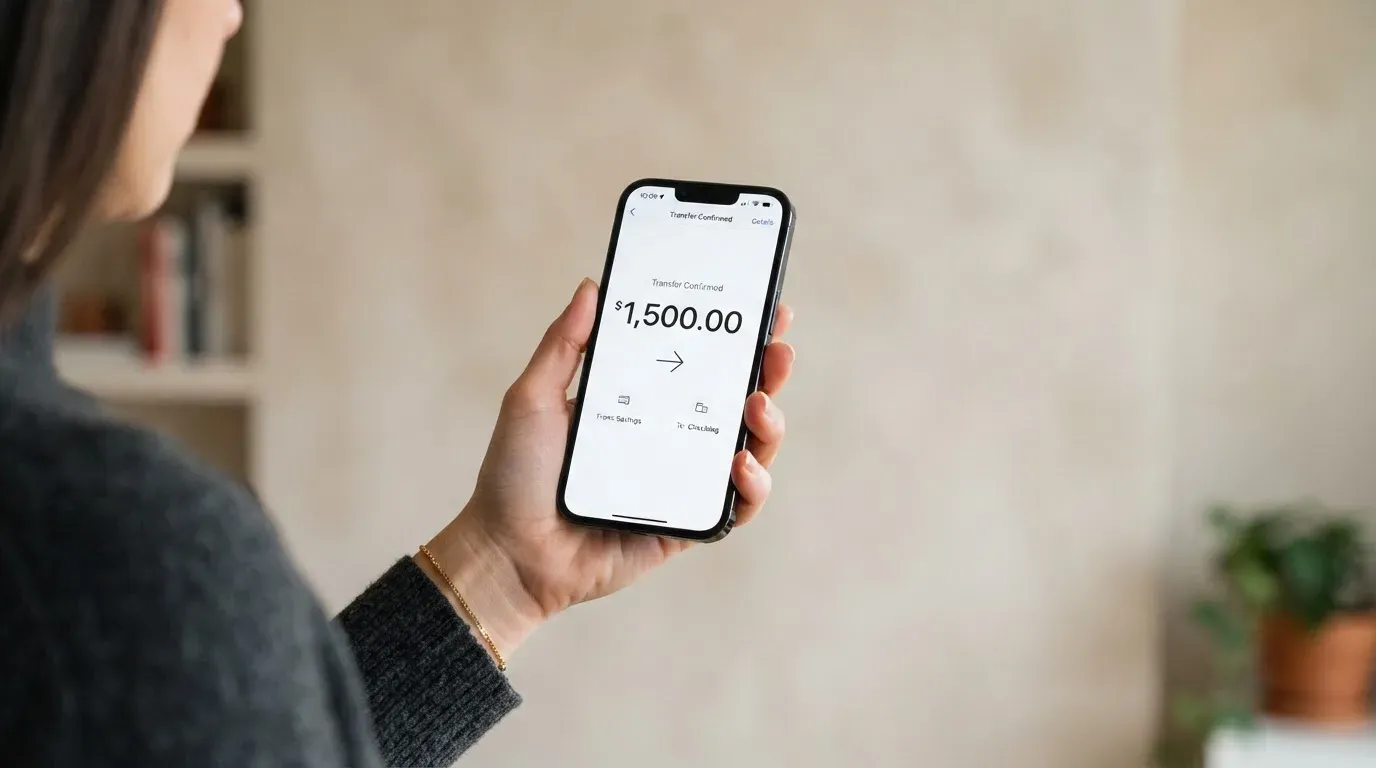
Minimum top-up amounts and top-up fees are not stated. What the card does say is that fees are displayed in the app before you confirm, so you see the cost at the moment of the transaction rather than in a schedule you had to find first.
On the fiat side, euro bank transfer to the Bringin euro account is the route. Withdrawals are described as available “anytime” in euros to a bank, with fees not stated. Account closure is handled by email request, in an article dated 24 Jul 2026, and how the remaining balance is handled at closure is not stated.
The honest summary of this section is the one the card’s own numbers tell: top-up options score 4 out of 10, the lowest of the five criteria. Two payment rails into a euro balance, no stablecoins, and the fine print on amounts and fees lives in the app. It is workable if you are already a Bitcoin user. It is thin if you were hoping to fund the card with USDC or USDT.
Paying with it every day
Everyday use is this card’s strongest suit, at 8 out of 10. It is a Visa, physical and virtual, so the acceptance question that plagues foreign-issued cards is largely answered by being on the network.
Mobile wallets split into two groups. Google Pay, Samsung Pay, Fitbit Pay and Garmin Pay work directly. Apple Pay works only through the Curve app; direct Apple Pay support is described as planned, which means today it is a detour. If you live in your iPhone and your bank’s Apple Pay is the muscle memory, that detour matters more than the numbers suggest.
The euro currency and the euro balance make daily spending unremarkable, which is the goal. Cash is available at 350 EUR a day and 3,000 EUR a month. Blocked merchant categories are not stated, so I cannot tell you whether gambling or other restricted categories are declined by policy; that is the kind of thing issuers vary on, and it is worth asking.
Rewards are thin and specific. No cashback is shown. The stated perks are 10% off Alby subscriptions and 10% off the Koinly tax calculator — real, but narrow, and closer to partner discounts than to a rewards programme.
Apps exist for iOS through TestFlight, for Android through Google Play, and on the web. Store ratings I did not read, so I cannot tell you what users say in the comments.
Two things the card does not settle, both of which affect real payments. Chargeback and dispute handling is not stated, so if a merchant takes your money and does not deliver, the card’s pages do not tell you what recourse you have. And the general category lesson matters here: a prepaid card and a foreign-issued card can be declined at some merchants simply because the card number reveals the card type and issuer country. That is a category-wide behaviour, not a fault specific to Bringin, but it is part of what “where can I use this” really means.
What can go wrong
Start with the absence of bad news, then work through the gaps. I found no official incidents for Bringin and no user complaint threads; there is also no Trustpilot page found. Absence of complaints is not proof of safety — a young product with a small user base can be quiet for either reason. Reliability and complaints still scores 7 out of 10, and the reason is the company behind it, not the complaint file.
The company is UAB Bringin, registry code 306317430, based in Vilnius, Lithuania. It is built on Lightspark Payments Europe AS, described as a MiCA-authorised CASP, with a note that Lightspark Europe received its MiCA licence in June 2026 — that is also the news item the card carries. The card issuer is not named. For a payment card, the issuer is the institution that actually holds the card programme and pays the network; here that layer is invisible, and not knowing it is a real limit on how much you can judge the setup.
There is a wider regulatory frame worth holding in mind. The EU’s crypto regulation, MiCA, took legal effect in June 2023; its rules on stablecoins applied from 30 June 2024 and the rest, including crypto-asset service provider rules, from 30 December 2024. Providers could continue under national law only until 1 July 2026 or until they were authorised or refused under MiCA, whichever came first. A card is also a payment service regulated separately from the crypto side, which is why a card like this rests on more than one licence. Safeguarding of customer funds is not stated on the card’s pages.
On security, the card page describes a self-custody wallet, instant card freeze, real-time alerts, and 3-D Secure on every transaction. Self-custody is the strongest of the crypto card models in principle: the funds stay in your own wallet until the moment of payment. It also means you carry the full responsibility for key loss, phishing, and malware that swaps a copied address. Transfers are typically irreversible, and a stolen key has no recovery built into the network.
Support is a Telegram chat, an in-app chat, a help centre at help.bringin.xyz in 15 languages (Russian is not among them), and the address [email protected]. Support hours are not stated.
If something goes wrong, my read is that the two quietest risks are the unnamed issuer and the unnamed reason a KYC level might cap your limits. Neither is dramatic; both are the kind of thing you discover at the wrong moment.
What to take instead
Three other cards came up in the same category, and each solves a different part of what Bringin does.
| Card | Score | Cost and fees | Top up | Notes |
|---|---|---|---|---|
| International Visa Card | 6.7 / 10 | $5 issuance, no maintenance; Classic free, Pro $9.00/month, Max $19.00/month; USD use free, foreign currency “Visa exchange rate + 2% FX fee”; deposits free | USDC or USDT into the USD account at 1:1; also USD, EUR, SEPA, SWIFT, FedNow | U.S.-issued Platinum Visa, virtual, pays in USD; physical “Coming soon”; no cashback stated |
| UNi Card | 6.1 / 10 | “No annual fee”; no annual or foreign transaction fee; converted at live OTC rates, “No hidden exchange fees”; issuance fee not stated | Not stated | Mastercard network, multicurrency, spends from the UNi.Global balance; physical/virtual not stated; “Spend-to-Earn rewards” up to 3% |
| Morse | 7.5 / 10 | Issuance and monthly fee not stated; “Zero foreign exchange fees or markups”, real-time Visa rate; online and contactless payment free | Debit card, stablecoin transfer, Account Details (USD, EUR, MXN, COP; BRL needs Brazilian CPF); USDC, USDG, EURC via Solana free, other tokens carry a fee; self-custodial wallet | Visa prepaid debit, fully virtual for now, spends in any currency; by residence not citizenship, 18+, sanctions-screened |
Read that table as a set of trade-offs against Bringin rather than a ranking. Morse scores highest of the three at 7.5 and is the closest in spirit to Bringin — a virtual Visa with zero FX markup and broad crypto top-ups, including free USDC, USDG and EURC over Solana — but its eligibility is by residence, sanctions-screened, and partly in closed beta by invite code, so it is not universally available either. The International Visa Card scores 6.7 and takes stablecoins directly, with a clean $5 entry and free deposits, at the cost of a 2% FX fee and a USD-only, virtual-only setup. UNi Card at 6.1 avoids an FX fee and offers up to 3% back, but its eligibility and funding details are simply not stated, which makes it the least possible to plan around.
None of these is a bank account, either. A crypto card is a prepaid instrument drawing on a stored balance, not a debit card linked to your current account, so none of them overdraws and none of them replaces the bank relationship you already have.
Who I would recommend it to
I would recommend Bringin to a person already paying with Bitcoin and Lightning, resident in the EEA, with a valid EEA ID, who wants a plain euro Visa they can hold physically or create virtually, top up from Lightning or on-chain, and use in Apple Pay via Curve, Google Pay, or Samsung Pay without thinking about it. For that person it does its job, and the 5.7 is held back by gaps in disclosure, not by the card failing.
I would not recommend it to someone who wants to fund with stablecoins, who lives outside the EEA, who needs the answer on ATM fees or on delivery time, or who plans to lean on chargeback protection. Those are not small gaps for those particular people; they are the whole decision.
The honest one-line version: a competent euro card for a Bitcoin user in Europe, with the fee details and the support answers living in the app rather than on the page. Read it that way and it is easy to decide if it is for you. Read it as a general travel or everyday card for everyone, and the same facts point the other way.
Frequently asked questions
What is the Bringin card?
The Bringin card is a Visa payment card in euros that you fund with Bitcoin or euros. Bitcoin sent on-chain or over Lightning is converted to euros into a personal vIBAN, and the card then spends from that balance. You can hold it as a physical Visa or create virtual cards, including one-time ones. It is offered by UAB Bringin, a company based in Vilnius, Lithuania.
How does the Bringin card work day to day?
You top up, and the card spends what is in the balance. Top-ups arrive by SEPA bank transfer or as Bitcoin on-chain or Lightning from any wallet, get converted to euros, and sit in your personal vIBAN. Purchases then draw on that euro balance like an ordinary prepaid card, so there is no Bitcoin transaction at the moment you pay. Cash withdrawals are possible at 350 EUR per day and 3,000 EUR per month.
Is Bringin a bank?
No. Bringin is UAB Bringin, a company registered in Lithuania, and the card runs on a partner, Lightspark Payments Europe AS, described as a MiCA-authorised crypto-asset service provider. A card like this is a payment service, regulated separately from the crypto side, and the actual card issuer is not named on the card’s pages. Treat the balance as stored value you hold with a provider, not as a bank deposit.
Who can apply for a Bringin card?
You can if you are 18 or older and hold a valid identity document from the EEA: the 30 EU member states plus Liechtenstein, Norway and Iceland. The card’s pages do not say whether the test is citizenship or residence. You verify your ID during sign-up; proof of address is not listed as required. Card use is restricted in certain countries, including Belarus, Russia, Ukraine, Türkiye, the UAE, Nigeria and Egypt.
Does Bringin require KYC, and can I use a virtual card?
Yes, ID verification is part of sign-up, and your limits depend on your KYC level. The card does not publish what those levels are, or the reasons a verification might be refused, so the ceiling on your spending is not something you can read in advance. Once you are verified, virtual cards are instant, unlimited in number, and can be issued as one-time cards for a single purchase.
How much does the Bringin card cost to use?
The plan is 37.69 EUR, shown with a “10% Discount” and described as paid annually at 3.49 EUR per month, with “0 fee per usage”. Physical and virtual cards are free and there is one plan. The costs that do apply are on the funding side: 1% to convert Bitcoin to euros, plus a 0.5% Bringin markup on partner pricing. There is no forex fee online and the FX fee is stated as 0%.
How do I top up, and can I use stablecoins?
You top up by SEPA bank transfer into the Bringin euro account, or with Bitcoin sent on-chain or over Lightning from any wallet. Either way the amount is converted to euros in your personal vIBAN. Stablecoins are the gap: Bringin does not support them. Minimum and fee amounts for topping up are not stated, but fees are shown in the app before you confirm the transaction.
Can I add Bringin to Apple Wallet, and where can I spend it?
Apple Pay works, but only through the Curve app; direct Apple Pay support is described as planned rather than available. Google Pay, Samsung Pay, Fitbit Pay and Garmin Pay work directly. Because it is a Visa, it is accepted wherever Visa is taken, though a card can be declined at some merchants based on its issuer country and prepaid nature, and blocked merchant categories are not stated on the card’s pages.
Is the Bringin card safe?
It has the usual safeguards: a self-custody wallet per the card page, instant card freeze, real-time alerts, and 3-D Secure on every transaction. Self-custody means your Bitcoin is yours until payment, and it also means you carry the risk of key loss, phishing, and clipboard malware, since transfers are generally irreversible. Safeguarding of funds is not stated, the issuer is not named, and I found no Trustpilot page — so judge the setup, not just the feature list.
Is the Bringin card worth it?
Worth it if you are an EEA resident who already pays with Bitcoin and Lightning and wants a simple euro Visa that tops up instantly. Not worth it if you need stablecoin funding, live outside Europe, or need published answers on ATM fees, delivery time and chargeback handling before you commit. My score is 5.7 out of 10, and the gap between those two verdicts is entirely about whether the card matches your situation.
App and neobank cards: when one suits you – cryptocardpicker
Content created by the «cryptocardpicker» team